
Tank terminals
Marine & Pipeline Connectivity
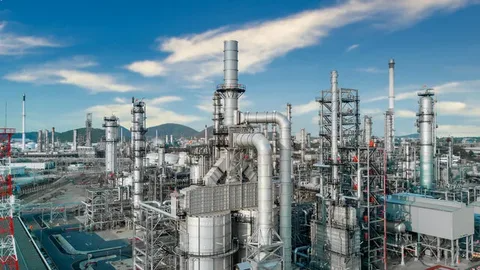
Marine berth and pipeline interconnects connect the terminal to ships, refineries, distribution networks and adjacent facilities — moving product in and out under controlled, measured procedures.
Tank terminals
Connecting ships, pipelines and storage
A terminal is only useful if product can reach it and leave it efficiently. Marine berths and pipeline interconnects are the connections that make that possible — linking storage to the ships, refineries, distribution networks and adjacent terminals that surround it.
Where applicable through our terminal relationships, we support marine-related energy logistics including vessel scheduling, product transfer planning, loading and unloading coordination, documentation, safety checks, measurement and operational monitoring. Pipeline interconnects support receipt from and dispatch to refineries, distribution networks and adjacent terminals.
Both marine and pipeline movements are governed by recognised safety guidance and procedural discipline, with flow monitoring and custody-transfer measurement keeping every movement accurate, reconciled and recorded.
Key capabilities
Marine Berths
Vessel scheduling and transfer planning through terminal relationships.
Loading & Unloading
Coordination of marine loading and unloading with safety checks.
Pipeline Interconnects
Receipt and dispatch across connected pipeline networks.
Flow & Measurement
Continuous flow monitoring and custody-transfer metering.
The marine cycle
From arrival to release
A marine movement follows a disciplined sequence, with safety and measurement at every stage.
- Vessel scheduling and berth allocation aligned to customer nominations
- Pre-arrival checks, mooring and safe connection to the berth
- Product transfer under controlled procedures with continuous monitoring
- Sampling, gauging and measurement for accurate custody figures
- Documentation, customs support and safe disconnection
- Departure coordination with the vessel and port
Pipeline transfer
Moving product through pipeline networks
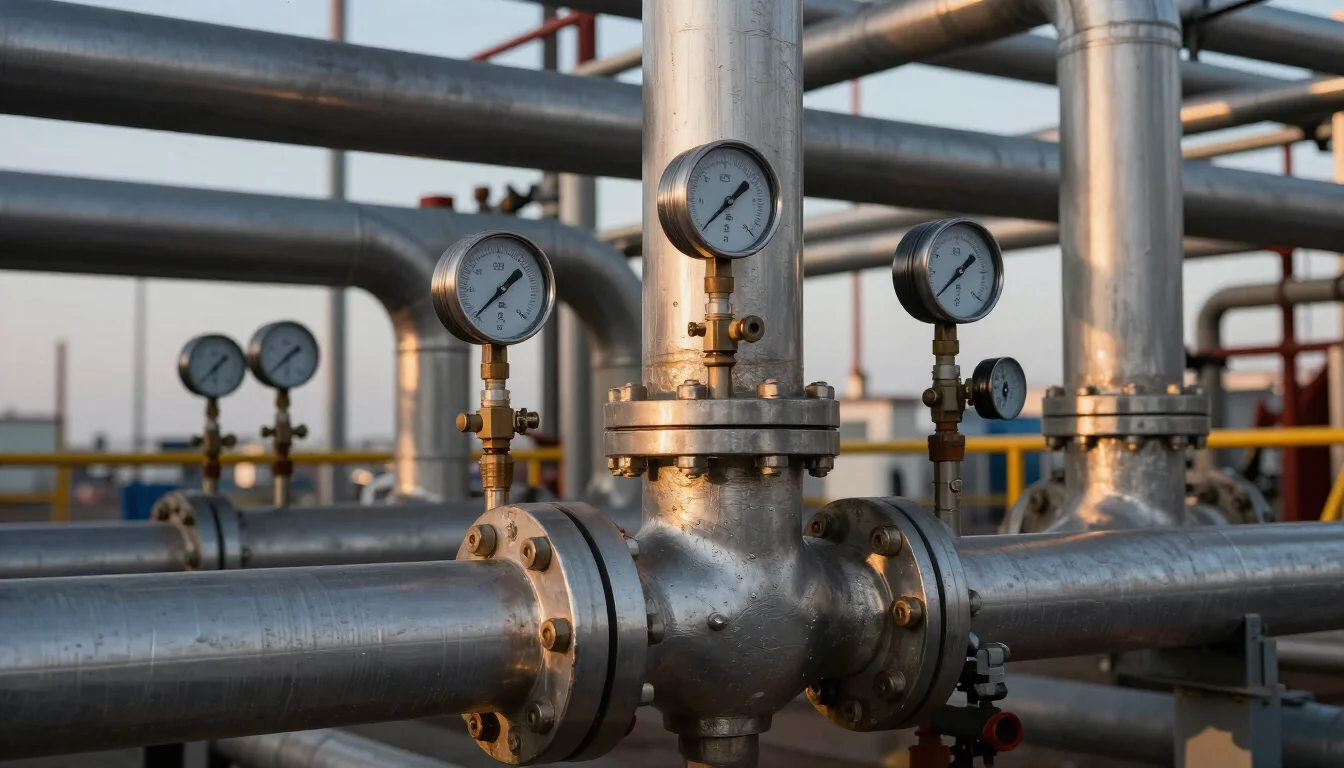
Pipeline interconnects move large volumes efficiently between fixed points.
- Transfer plan agreed between parties — product, volume, rate, timing
- Line-up and verification of routing and isolation
- Flow under continuous monitoring with custody-transfer metering
- Reconciliation of volumes at receipt and dispatch points
- Documentation and records for both parties
Safety & compliance
Marine and pipeline safety built in
Both modes follow recognised safety guidance and port-authority requirements.
Vessel and berth access is governed by marine security requirements, and product transfers follow international safety guidance for oil and gas tanker operations. Pipeline transfers are planned, authorised and monitored, with line-up and isolation verification and emergency shutdown capability.
Explore further